
Summary
The conflict has already resulted in the death of a **Lebanese journalist**, Amal Khalil, who was killed in an **Israeli airstrike** on southern Lebanon. The incident has been condemned by **Reporters Without Borders**, which has called on the international community to pressure **Israel** to allow the rescue of journalists in the conflict zone. The situation highlights the risks faced by journalists in conflict zones and the need for greater protection and support. As the conflict continues to unfold, it is likely to have significant implications for the region and the global economy, with potential impacts on **oil prices** and **global trade**.
Key Takeaways
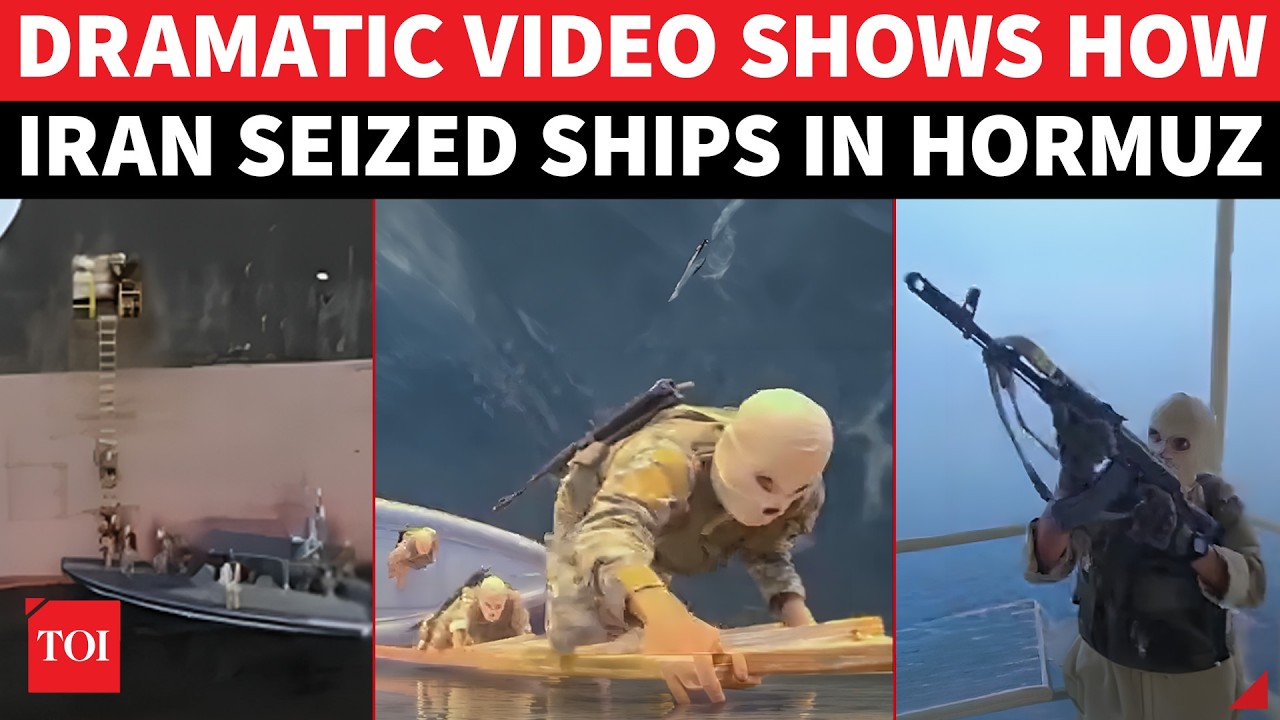
- Iran has attacked commercial vessels in the Strait of Hormuz
- The US has directed two more vessels to turn around as part of a blockade
- A Lebanese journalist, Amal Khalil, was killed in an Israeli airstrike on southern Lebanon
- The conflict has significant implications for global energy security and trade
- The situation is highly volatile and unpredictable
Balanced Perspective
The situation in the **Middle East** is complex and multifaceted, with various countries and factions involved. The **US** and **Iran** have a long history of tensions, and the current conflict is just the latest escalation. The international community is watching the situation closely, with **China** and **Russia** likely to play a key role in shaping the outcome. The conflict has significant implications for global energy security and trade, with potential impacts on **oil prices** and **global economic growth**.
Optimistic View
The US military buildup in the **Middle East** could help to deter further **Iranian** aggression and protect critical shipping lanes, such as the **Strait of Hormuz**. The international community may come together to condemn **Iran's** actions and support a peaceful resolution to the conflict, with **European Union** and **United Nations** playing a key role in diplomatic efforts. The conflict could also lead to increased cooperation between **US** and **European** allies, such as **Germany** and **France**, on issues like **counter-terrorism** and **non-proliferation**.
Critical View
The conflict in the **Middle East** could escalate into a full-scale war, drawing in multiple countries and causing significant humanitarian and economic damage. The **US** and **Iran** may engage in a cycle of retaliation and counter-retaliation, leading to further instability in the region. The conflict could also have significant implications for global energy security, with potential disruptions to **oil supplies** and **shipping lanes**, such as the **Strait of Hormuz**. The situation is highly volatile and unpredictable, with **Israel** and **Hezbollah** also involved in the conflict.
Source
Originally reported by CBS News